The Day the Fire Cat Appeared in Purok Laon

by Ysabelle C. Bartolome
Image by Mihman Duğanlı on Pexels. (All photos and videos on Pexels can be downloaded and used for free).

Before Purok Laon became a village of rumor and urban legend in the City of Molina––it was like any other purok in its  barangay. Houses of varying lengths and heights were stacked haphazardly next to each other, as in  a child’s drawing. From the sky, Purok Laon looks like a web of concrete houses and rusting roofs enveloping a faint greenish rectangle–the basketball court at its center. 

The basketball court, as  in any other purok in the barangay, is a multipurpose hall, housing the occasional village meeting, fiesta celebration, community basketball league, even the daily morning aerobics session. There is a concrete stage with wood flooring on its north side for events and festivities. Behind the stage, a mid-sized katmon tree grows, giving shade to a group of mothers gossiping about the people in the purok and  from nearby places. The tree and the stage give them a sense of privacy that is not available elsewhere in their community.

Today, a day like any other, the wives of the purok gossip about the demolitions being conducted  nearby. 

Continue reading

PGS 2026 Q&A: Michellan Sarile-Alagao

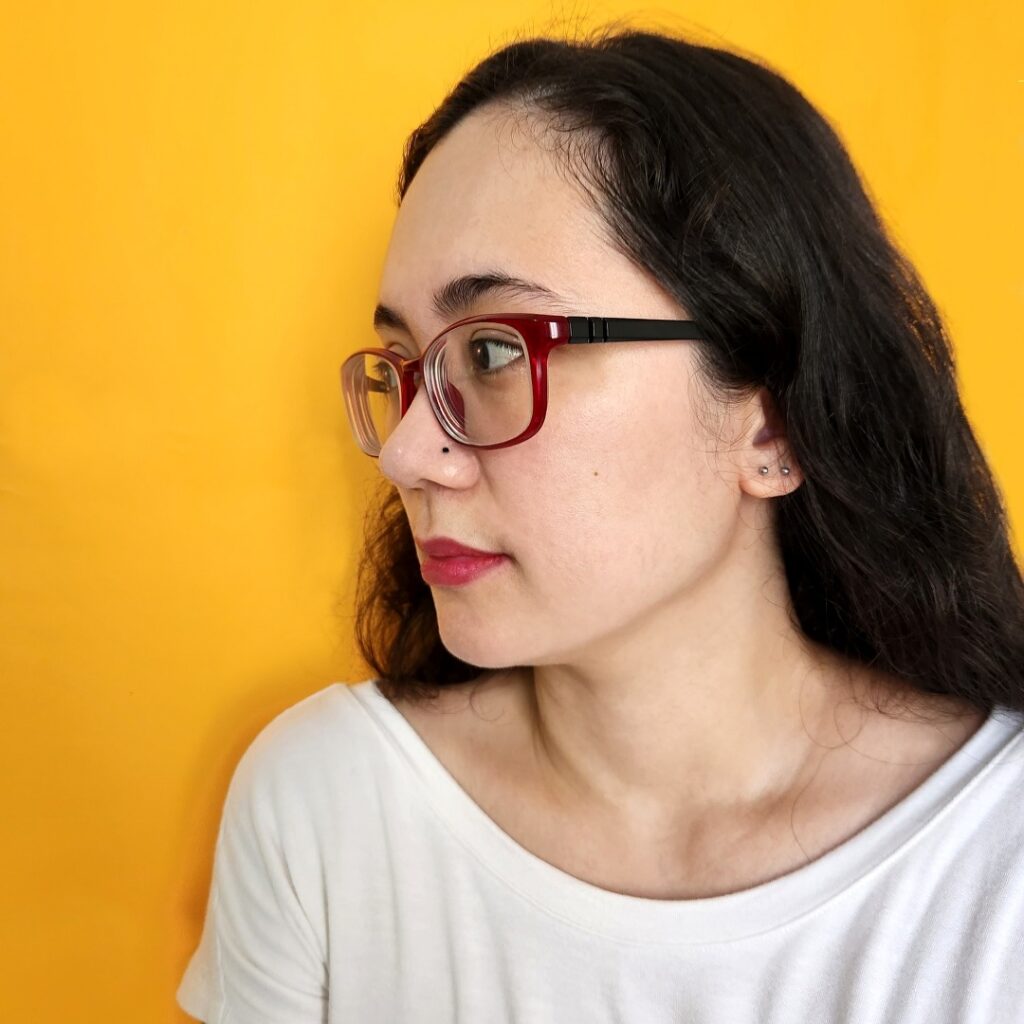
Michellan Sarile-Alagao is an editor, educator, writer, wife, and mother. Her work has been published in various print and online anthologies and magazines, and she has written several children’s books that focus on mental health and children’s rights. She was a poetry fellow at the international Roots. Wounds. Words Annual Writers’ Retreat for BIPOC writers in 2023, the 45th Silliman University National Writers Workshop, and the 6th IYAS La Salle National Writers Workshop. She has a BSc. in Criminology and Psychology from the London Metropolitan University and an MFA in Creative Writing from DLSU-Manila. She is a Board Member for the Christian Writers Fellowship and one of the founding members of the Philippine Speculative Fiction Society. She is a program director at Abot Tala, a self-directed learning community. You can find her on Facebook and Instagram @michalagao.

Continue reading

Humanity in Stories — A Written Panel (Part 3)

Image by Pavel Danilyuk on Pexels. (All photos and videos on Pexels can be downloaded and used for free).

Part 1 can be found here. Part 2 can be found here.

Panelists: Vida Cruz-BorjaGabi FranciscoCarljoe Javier; Moderator: Kenneth Yu

Kyu: Let’s talk about works done with AI versus works done purely from human creation. What about hybrids? In other words, where does tech come in in the creative process of storytelling in a positive way? Research, perhaps? 

Gabi: In a gathering of book club representatives and readers, when asked at what stage of the storytelling process we would be OK with AI being used, a few said they were open to it being used at the editing stage. But overwhelmingly (myself included), the reaction was negative: “Heck No!” to AI being used, from start to end (even research done through AI is prone to error / hallucinations). 

If we look at a book purely as a product, why should I part with my hard earned money if very little effort was put into its creation, if it’s something I can do myself with a few taps of the keyboard?

(And also, if you need AI to check your grammar, then maybe you shouldn’t be a writer in the first place??)

Continue reading

Humanity in Stories — A Written Panel (Part 2)

Image by Pavel Danilyuk on Pexels. (All photos and videos on Pexels can be downloaded and used for free).

Part 1 can be found here. Part 3 is scheduled for next week.

Panelists: Vida Cruz-Borja, Gabi Francisco, Carljoe Javier; Moderator: Kenneth Yu

Kyu: Two follow up questions in one: does this mean that cultures may lose what makes them unique due to this, and, to play devil’s advocate, shouldn’t this make people see that they share more in common than not? Again, the second question is taking a more contrarian view in an attempt to see if there’s anything positive from this. 

Continue reading

San Quebrado

by Michellan Sarile-Alagao

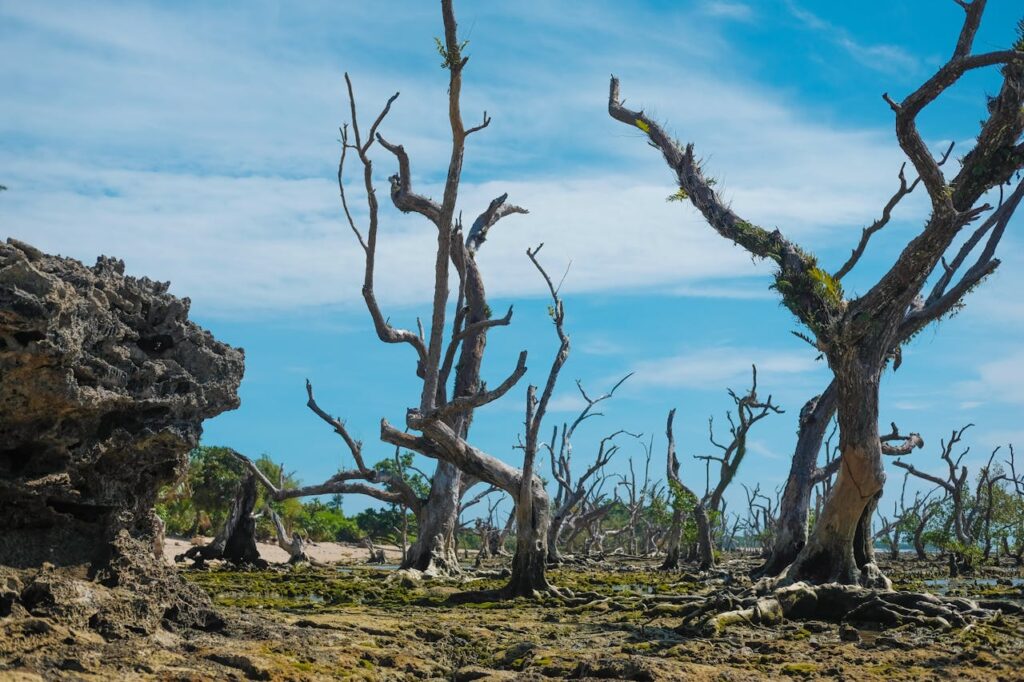
Image by Brendo Boyose on Pexels. (All photos and videos on Pexels can be downloaded and used for free).

It had been decades since rain fell on the town of San Quebrado, but the dead trees did not mind. You can tell a tree is dead by the lack of leaves, the smooth patches and vertical cracks on its trunk, the overall stillness when you stand beside it. There is no shade under any tree and the wind does not blow in San Quebrado, so it is always hot. 

Some people assume a dead town would be cooler. It should be cool, like cadaver-cool, my tito used to joke. That makes no sense, I finally explained to him after what was probably the twentieth time he made the joke. A dead body adjusts to the ambient temperature during algor mortis, and does not remain cool throughout. I was eager to show off what I had learned about medicine and science. He sighed and smiled sheepishly, his shoulders sagging a little. I didn’t mean to be rude. I should have just chuckled in agreement. 

Eventually we reached that town, where trees are memories and flowers are echoes. By now, I know what that place meant to my tito, how he knew he would go back one day, and how he was the only living boy to escape San Quebrado.

Continue reading