
Let’s meet the panelists for “Humanity in Stories”, a written panel scheduled for upload sometime mid-May 2026. A brief introduction on how this came about can be found here.
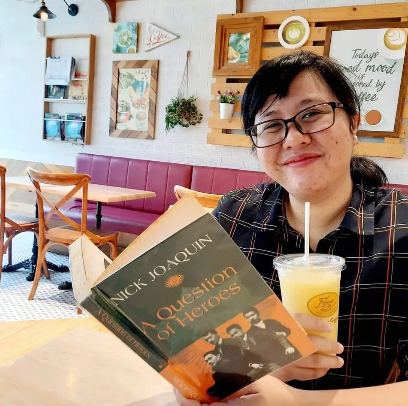
Gabi Francisco is a classically trained soprano who now performs in the English / Music / Drama classroom of her alma mater, Regina Maria Montessori. She has taught every level from preschool to college over the course of nearly two decades. A lifelong reader, she was a founding member of Ex Libris Philippines, and writes book, music, and theatre reviews. On weekends she soaks in as much art and literature as she can, so she can pass her love for the arts on to her students. She passionately believes in the transformative role of arts education in nation-building.
“My perspective is that of someone helping young folks get a sense of who they are, and a big part of that is teaching them the cultural legacy they belong to. To know thyself, you must first know thy country and countrymen. We hope to teach unique Filipino values, and it’s getting harder to do so when very young kids speak in the curated accents of social media influencers, and adopt their manner of dress and unthinkingly mimic their values systems. Schools impart not just academic skills, but the pakikisama that Vida mentions. I’d argue that these soft skills are even more important, as any home schooled child can learn the curriculum’s demands, but they have a much more difficult time adjusting when they have to work with other folks in the future.
In many philosophies of education, we are taught that only the very best is good enough to present to the child. Taste HAS to be taught, in all things. In Philosophy class, taste/aesthetics is lumped together with ethics, showing how essential assigning value is. If everything is beautiful, then beauty loses meaning. If everything is art, then nothing is.”